Published July 13, 2021
5 Things to Know Before Moving to Raleigh, NC

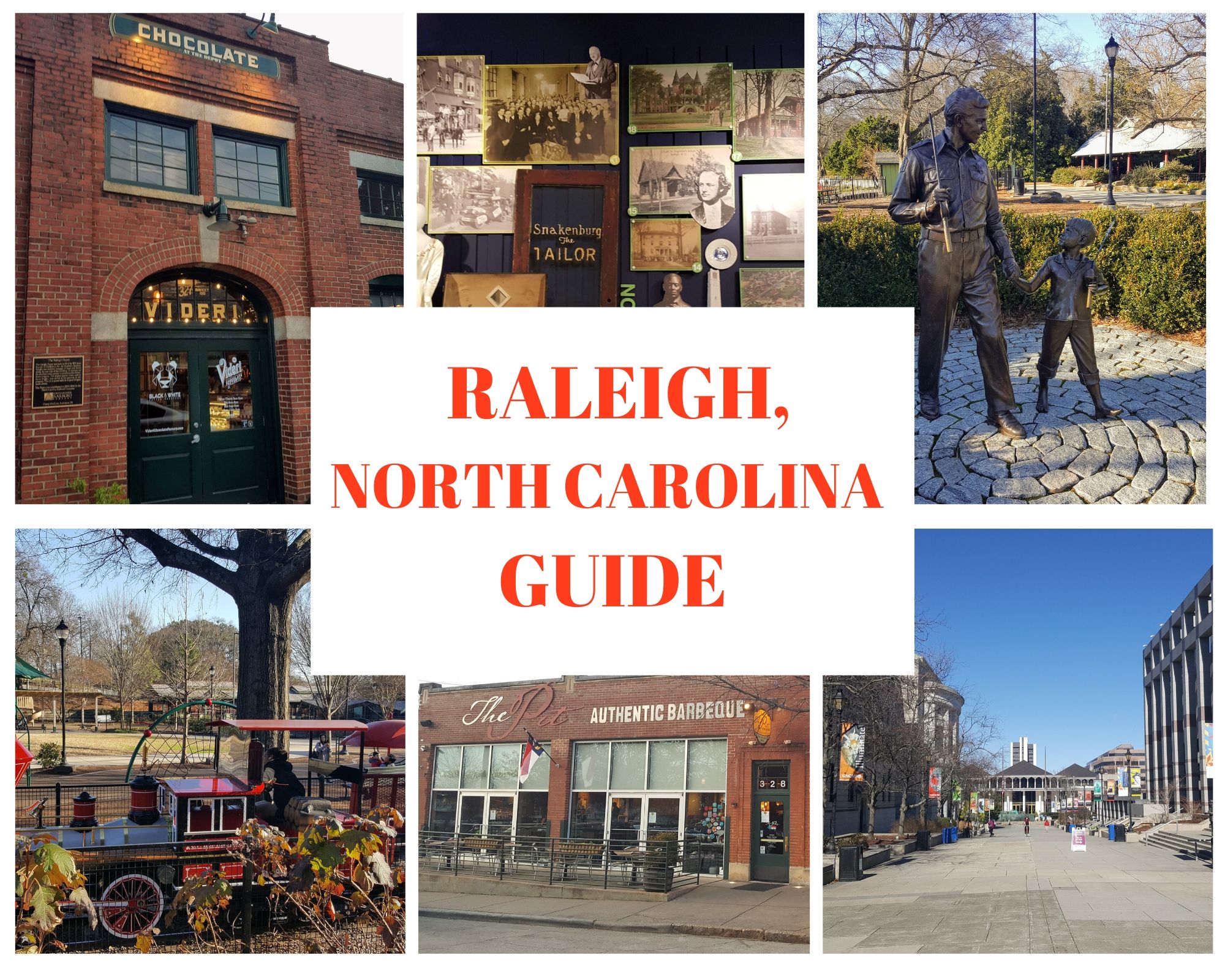
Thinking about moving to the City of Oaks? Whether you’re a transplant, a first-time home buyer, a born-and-bred Carolinian, or a retiree, here are some things to know about the area. Check it out below:
The History of Raleigh
Raleigh was named after Sir Walter Raleigh, the English explorer who funded the first expeditions to the coast of modern-day North Carolina. The early settlers deemed it the ‘City of Oaks’ for the vast amount of Oak trees in the area, which can still be seen today. The capital city has over 40 historic landmarks and museums open free to the public. Today, Raleigh is the second-fastest growing metro area in the United States.
Raleigh has a great education system
Raleigh is a part of the Wake County Public School system, the largest school district in North Carolina and the 16th largest in the U.S. In 2020, the district had a graduation rate of 90.8%, and the goal is to get that to 95% in the coming years. In the Raleigh area alone, there are over 79 public elementary and over 100 private schools available to parents. Before buying a home in Raleigh, make sure to choose one in an area that feeds into the schools that you want your children to attend.
For those interested in higher-education, students do not have to look far outside of Raleigh. The state is home to several renowned colleges and universities, including UNC-Chapel Hill, Duke University, NC State University, Wake Forest University, among others. Did we mention in-state tuition?
Job Opportunities
In the last year, the job market in Raleigh and North Carolina as a whole have seen huge surges as the state recovers from COVID. According to WRAL, year-over-year open tech jobs soared more than 60%. And hiring is especially strong in the RTP area. Open jobs in the Triangle surged to more than 15,000. Raleigh positions surged year-over-year 60% to 10,831.
Job opportunities aren’t just limited to the tech space, however. Other flourishing industries include healthcare, engineering, education, and manufacturing. And company names include heavy hitters such as IBM, Wells Fargo, UNC Health Care System, EY and Facebook, as well as local start-ups and small businesses.
Cost of Living/Real Estate
Real Estate in The Triangle is currently 25.5% higher than last year and it may seem like the cost of living in Raleigh and surrounding areas is considerably high, it actually isn’t that bad compared to other markets around the country. Raleigh's housing expenses are 30% lower than the national average, utility prices are 4% lower than the national average, and transportation and gas prices are 8% lower than the national average. What will you do with all those extra savings? You can outbid other buyers when you purchase your new home!
Best of both worlds?
There are very few places where you can experience the amenities of a big city and the charm of a small town. Enjoy the nightlife of Raleigh, or explore one of the family-friendly towns just a stone's throw away.
Thinking of a day trip to the beach? Or perhaps a road trip to the mountains? Either way, you only need 2-3 hours to get to either. Even once you consider Raleigh home, it doesn’t take much effort to find a change of scenery.
Ryan Buscher
Buyer Specialist
Ryan@PeterKima.com

Peter Kima
Lead Listing Specialist | Kima Real Estate Group | Real Broker, LLC
or another way